Architectural Cladding Systems: Performance, Design, and Long-Term Value
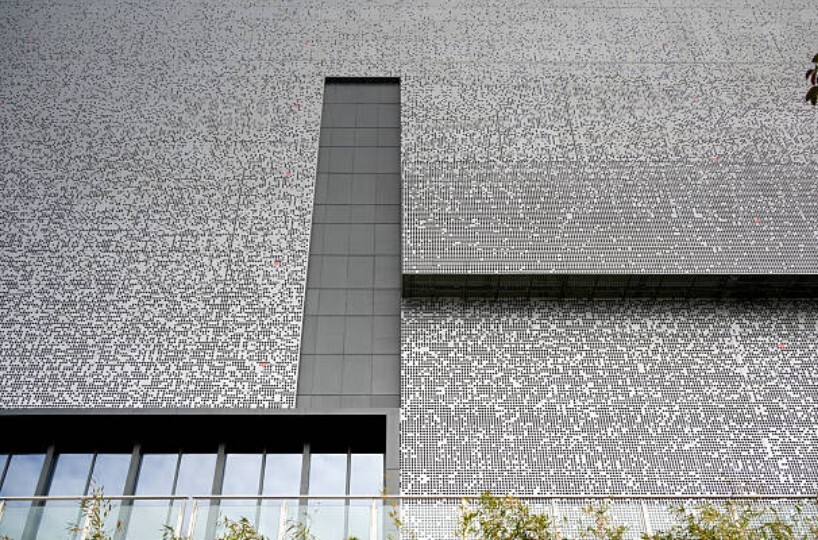
Architectural metal cladding plays a defining role in how modern buildings manage exposure, durability, and visual identity. In commercial and institutional construction, exterior wall systems are expected to withstand weather, accommodate movement, and support long-term operational performance while still meeting architectural intent. Within that context, architectural cladding functions as a protective outer layer that shapes both how a building looks and how it performs once occupied.
What Are Architectural Metal Cladding Systems
Architectural metal cladding systems refer to exterior metal panel assemblies installed over a building’s primary wall structure. These systems are not structural, and they do not replace air or water barriers, yet they interact closely with those control layers. Metal cladding shields the building envelope from direct exposure while allowing drainage, ventilation, and controlled movement to occur behind the panels.
Because cladding is installed as an engineered assembly rather than a monolithic surface, its performance depends on how materials, profiles, and attachment methods work together. In that system-level role, architectural cladding contributes to envelope durability by protecting underlying components and stabilizing exterior conditions rather than acting as a standalone finish.
Core Performance Benefits of Metal Cladding
Metal cladding systems are selected for more than appearance. Their long-term value comes from how they manage exposure, movement, and maintenance demands across a building’s service life. When evaluated at the system level, architectural cladding preserves durability by limiting direct weather loading on the wall assembly and moderating surface conditions over time.
Durability and Weather Resistance
Metal panels resist impact, wind loading, and ultraviolet exposure that can degrade other exterior materials over time. Protective coatings extend corrosion resistance and preserve finish quality in demanding environments. That durability reduces maintenance cycles and helps façades retain their intended appearance with fewer interventions.
As a protective outer layer, metal cladding deflects the majority of wind-driven rain away from the building envelope. Joints and overlaps are detailed to manage incidental moisture without trapping it within the wall, which eases the burden on interior control layers and supports long-term moisture management.
Thermal and Moisture Interaction
Although metal panels do not provide insulation, their installation method influences thermal performance. In many wall assemblies, panels are installed over continuous insulation with a ventilated cavity that moderates surface temperatures and limits thermal bridging. That configuration stabilizes interior conditions and allows insulation layers to perform as designed.
Moisture behavior follows the same logic. Ventilated cavities promote drying and reduce the risk of moisture accumulation behind the façade. Over time, this interaction between cladding, insulation, and air barriers plays a role in preserving envelope integrity, particularly in assemblies where architectural cladding is exposed to wide temperature swings.
Fire, Impact, and Exposure Considerations
Metal cladding materials are noncombustible and can be incorporated into tested wall assemblies that meet stringent code requirements when evaluated as part of a complete exterior wall system. For institutional and high-occupancy buildings, this characteristic provides flexibility when balancing design intent with fire performance and exterior wall compliance.
Common Materials Used in Architectural Metal Cladding
Material selection affects fabrication, installation, and long-term behavior. The most common metals are chosen for predictable performance under specific exposure conditions.
Aluminum Cladding Systems
Aluminum is widely used because it resists corrosion, remains lightweight, and can be fabricated into precise profiles. It performs reliably in humid or coastal environments where exposure is constant and maintenance access may be limited. Aluminum panels also support complex geometries and fine detailing.
Steel and Galvanized Steel Panels
Steel panels offer greater stiffness and impact resistance, which allows for larger panel sizes and applications subject to higher loads. Galvanized and coated steel systems rely on finish selection to extend service life, making coating performance a critical consideration during specification.
Specialty and Coated Metals
Specialty metals and advanced coating systems expand options while addressing environmental exposure. Finish selection must account for ultraviolet stability, corrosion resistance, and long-term appearance rather than visual effect alone.
Metal Cladding Profiles and Panel Types
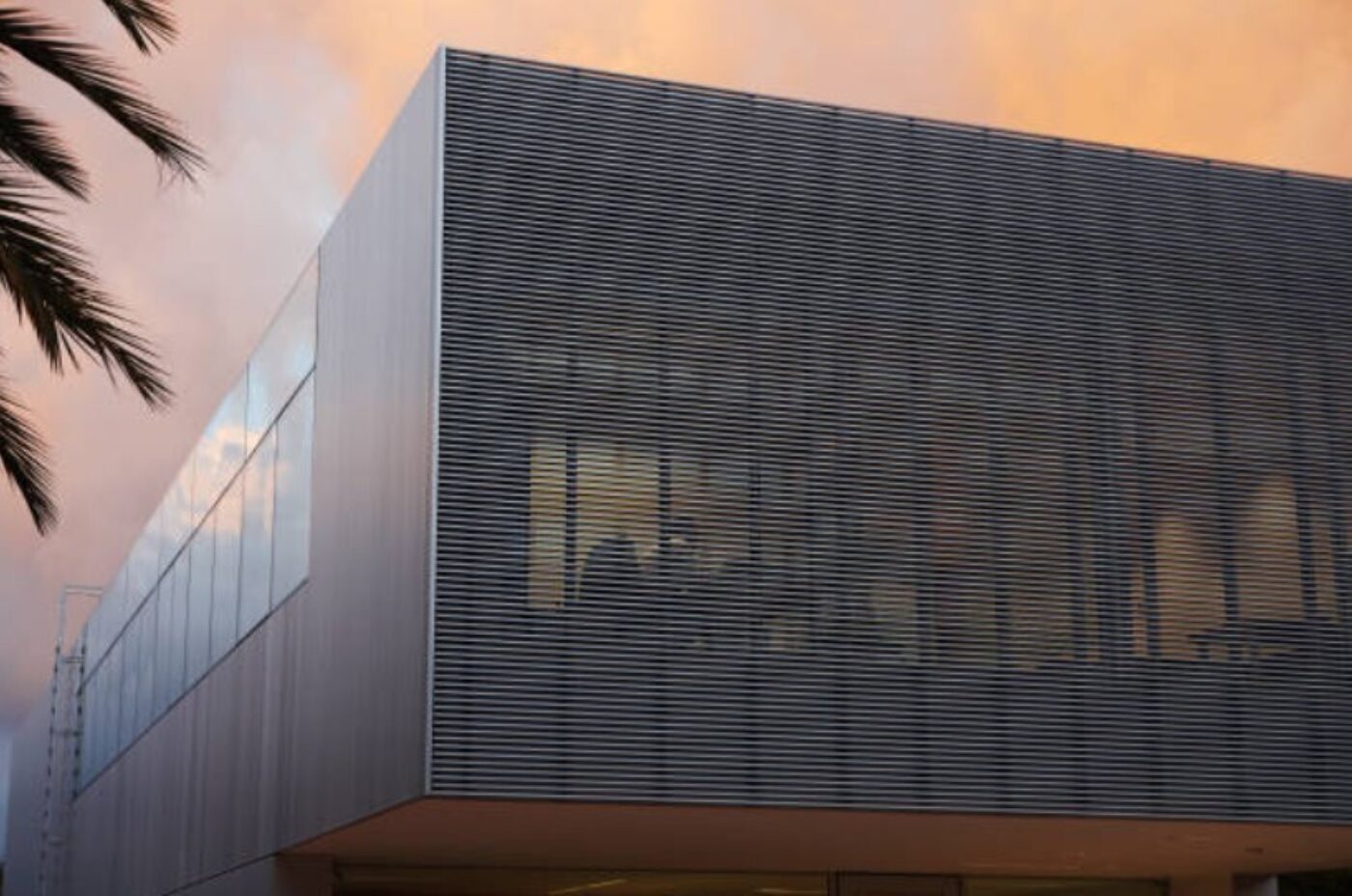
Panel profile selection influences both appearance and performance. Flat panels create smooth façades with tight joint control, while ribbed or corrugated profiles add stiffness and visual depth that can mask minor surface irregularities.
Interlocking panel systems, such as standing seam or folded-edge profiles, are commonly used where clean joint lines and controlled thermal movement are priorities. These profiles rely on concealed attachment and overlapping geometry to manage expansion while maintaining a consistent exterior appearance.
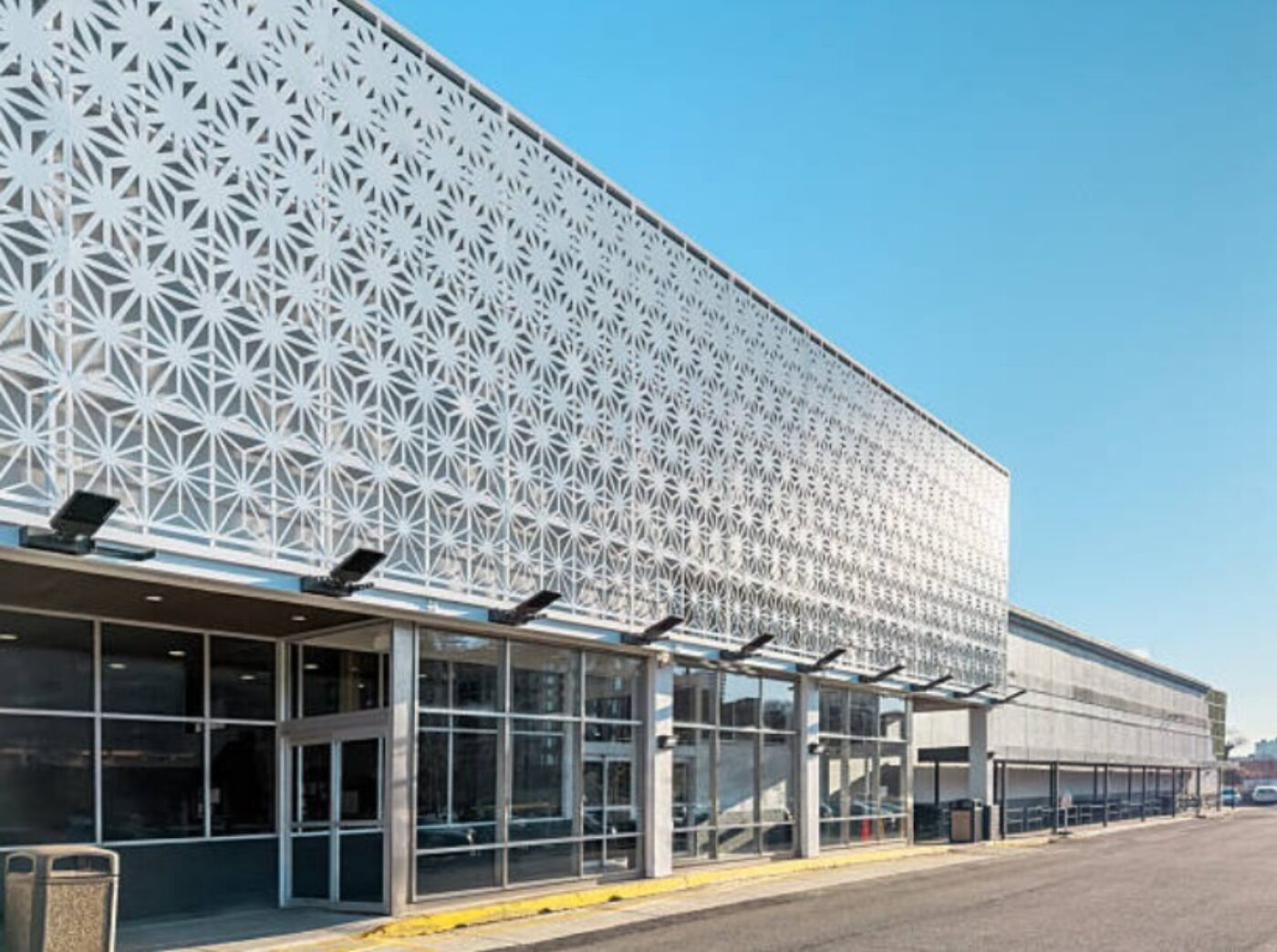
Perforated panels introduce additional functional flexibility. They are often used as sunscreens, ventilation screens, or visual barriers while maintaining material continuity across the exterior.
Across these variations, profile geometry influences façade performance in several predictable ways:
- Thermal movement accommodation through interlocking seams or flexible attachment geometry
- Panel stiffness and span capability shaped by ribs, corrugation, or folded edges
- Airflow and shading behavior governed by perforation size, density, and placement
Typical Applications in Commercial and Institutional Buildings
Architectural metal cladding systems are common across office buildings, healthcare facilities, educational campuses, and civic structures. Each application benefits from the same core attributes: durability, predictable behavior, and adaptability to different building forms.
In office environments, metal façades support clean aesthetics with low maintenance demands. Healthcare and educational facilities benefit from materials that resist damage and can be repaired or replaced without extensive disruption. Industrial and mixed-use buildings rely on metal cladding to withstand operational wear while contributing to cohesive exterior design.
Why Installation Quality Determines Long-Term Performance
Even well-designed systems depend on execution. Metal panels expand and contract with temperature changes, and attachment systems must accommodate that movement without stressing fasteners or distorting surfaces. Small deviations during installation often determine whether a façade performs predictably or degrades prematurely.
Thermal Movement and Attachment Behavior
Metal cladding assemblies experience daily and seasonal movement as temperatures fluctuate. Attachment systems must allow panels to expand and contract without binding, oil-canning, or transferring stress to fasteners. Consistent joint spacing and proper fastening patterns help manage that movement while preserving surface alignment over time.
Substrate Preparation and Alignment
Substrate flatness and layout accuracy directly affect panel appearance and performance. Irregular substrates force installers to compensate in the field, which can introduce uneven joints, misaligned panels, and attachment stress. Proper preparation establishes a stable plane that allows panels to perform as designed rather than being forced into position.
High-Risk Transition Points
Integration at windows, doors, rooflines, and base conditions presents the greatest risk. These transition points concentrate movement, drainage, and exposure demands in a limited area. Detailing at these locations must maintain clear drainage paths and protect underlying control layers from moisture intrusion.
Long-Term Consequences of Installation Shortcuts
When installation shortcuts occur, problems often surface years later, long after construction is complete. Water infiltration, panel distortion, and fastener fatigue typically trace back to early execution decisions rather than material failure. In that sense, installation quality governs whether architectural cladding delivers on its intended performance.
Selecting the Right Architectural Metal Cladding System
Choosing a cladding system involves more than selecting a material or profile. Project teams must evaluate climate exposure, building use, maintenance access, and lifecycle expectations alongside initial cost. Systems that perform reliably over decades often justify higher upfront investment through reduced repairs and operational disruptions.
Understanding how materials, profiles, and detailing interact helps align system selection with broader performance goals. Early coordination between designers, fabricators, and installers reduces field modifications and preserves design intent throughout construction, particularly on projects where architectural cladding is used across large or complex façades.
Fabrication and Custom Components in Metal Cladding Assemblies
Standard panel systems address large surface areas, yet custom-fabricated components are often required to resolve edges, transitions, and terminations. These elements complete the façade across conditions that panel systems alone cannot accommodate.
Edge Conditions and Terminations
Flashings, trims, reveals, and closures manage how the cladding system begins and ends across the building envelope. Brake metal is commonly used to form these edge conditions, allowing water to exit the façade while giving panels room to expand and contract without transferring stress to adjacent materials. When fabricated accurately, these details preserve alignment and protect underlying control layers.
Transitions Around Openings and Interfaces
Transitions at windows, doors, and intersecting assemblies concentrate drainage, movement, and exposure demands in a limited area. Precision-fabricated components allow these interfaces to remain continuous behind the panels, preventing gaps that compromise performance. These transitions directly influence how architectural cladding performs under long-term exposure.
The Value of Early Fabrication Coordination
Projects with complex geometry or high exposure benefit from early coordination between designers, fabricators, and installers. When detailing is resolved before panels reach the site, installation proceeds predictably and the façade maintains integrity under wind, rain, and temperature swings. When detailing is improvised in the field, degradation accelerates, often invisibly at first.
Work with Air Performance LLC for Precision Metal Components
Air Performance fabricates custom decorative and ornamental metal components that support metal cladding assemblies through accurate transitions, edges, and terminations. Each component is produced to align with project-specific detailing and installation requirements. Contact us today for more information.