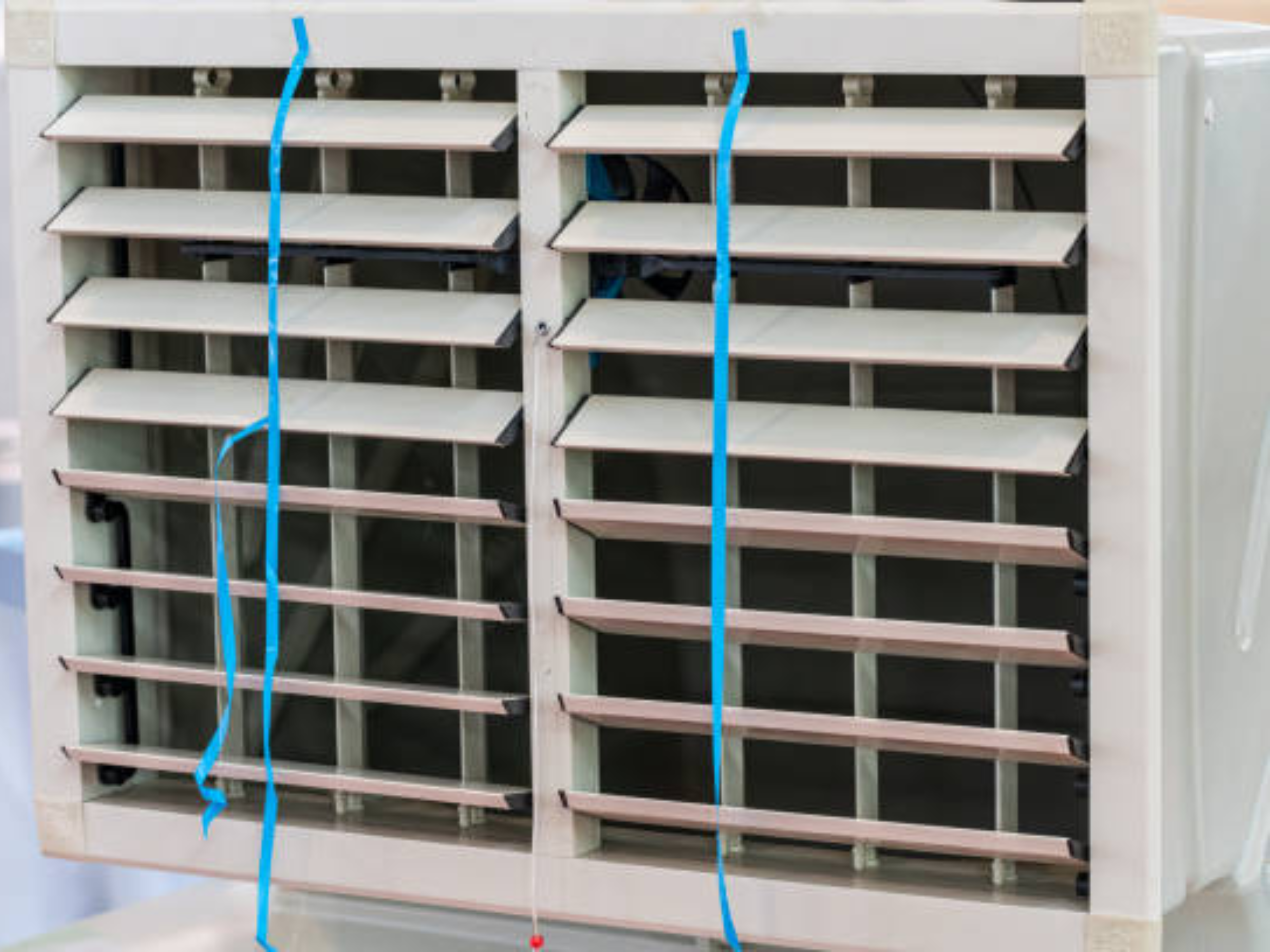
Louver Accessories That Improve Airflow, Protection, and System Integration
Louvers define how buildings breathe. They manage airflow direction, block water intrusion, and deflect airborne debris and prevent mechanical strain from sudden pressure shifts. The right louver accessories enhance that performance by improving control, durability, and field integration across commercial projects.
Protective Screens That Shield the Airflow Path from Intrusion
Screens are often the first defense against airborne contaminants. They help preserve airflow stability and safeguard HVAC coils or internal ductwork from particulate buildup.
Bird and Insect Screens for Different Particle Sizes
When specifying louver accessories like bird or insect screens, mesh size and installation location matter. Bird screens allow for higher airflow with larger openings, while insect mesh captures finer particles but can increase pressure drop.
The mounting strategy—whether interior, exterior, or dual-layer—impacts cleanability and airflow obstruction.
Mounting and Bracing Strategies
Screens must be mechanically supported to prevent sag or flutter. In wide louver bays, multi-point framing or internal retention brackets may be required. Proper drainage paths must be maintained to prevent debris buildup behind the screen mesh.
Drainage Components That Direct Water Away from Building Envelopes
When louvers are exposed to direct rain or wind-driven moisture, proper drainage handling becomes essential.
Pans, Sill Extensions, and Internal Water Routing
These components direct runoff away from wall openings using sloped pans and sill extensions that deflect water at the cladding edge. Internal weep paths must be coordinated with wall drainage to avoid pooling and staining.
Drain Outlet Integration with Piping
Drain pans and downspout ports must align with building plumbing. Misaligned outlets cause water to accumulate at anchor points, leading to leakage or finish deterioration. A good drainage setup includes matched diameters, adequate capacity, and a clear route to grade or scupper.
Mounting Systems That Ensure Dimensional and Structural Fit
Louvers must be mounted securely and flush with the surrounding envelope. Frames, subframes, and flange systems allow for this precision in both new builds and retrofits.
Flange Frames for Architectural Continuity
Flange frames conceal fasteners and provide a clean line where louvers meet cladding. In many custom applications, they also support sealant adhesion and maintain uniform sightlines across dissimilar façade materials. Their dimensions should align with cladding depth and blade throw to maintain seal continuity.
Subframes for Retrofit Compatibility
Retrofit conditions often reveal irregular openings or degraded surfaces. Subframes provide a backup structure that can correct for out-of-square or oversized wall penetrations. They also reduce installation time by offering predrilled or adjustable mounting surfaces.
Actuators and Control Hardware That Enable Airflow Modulation
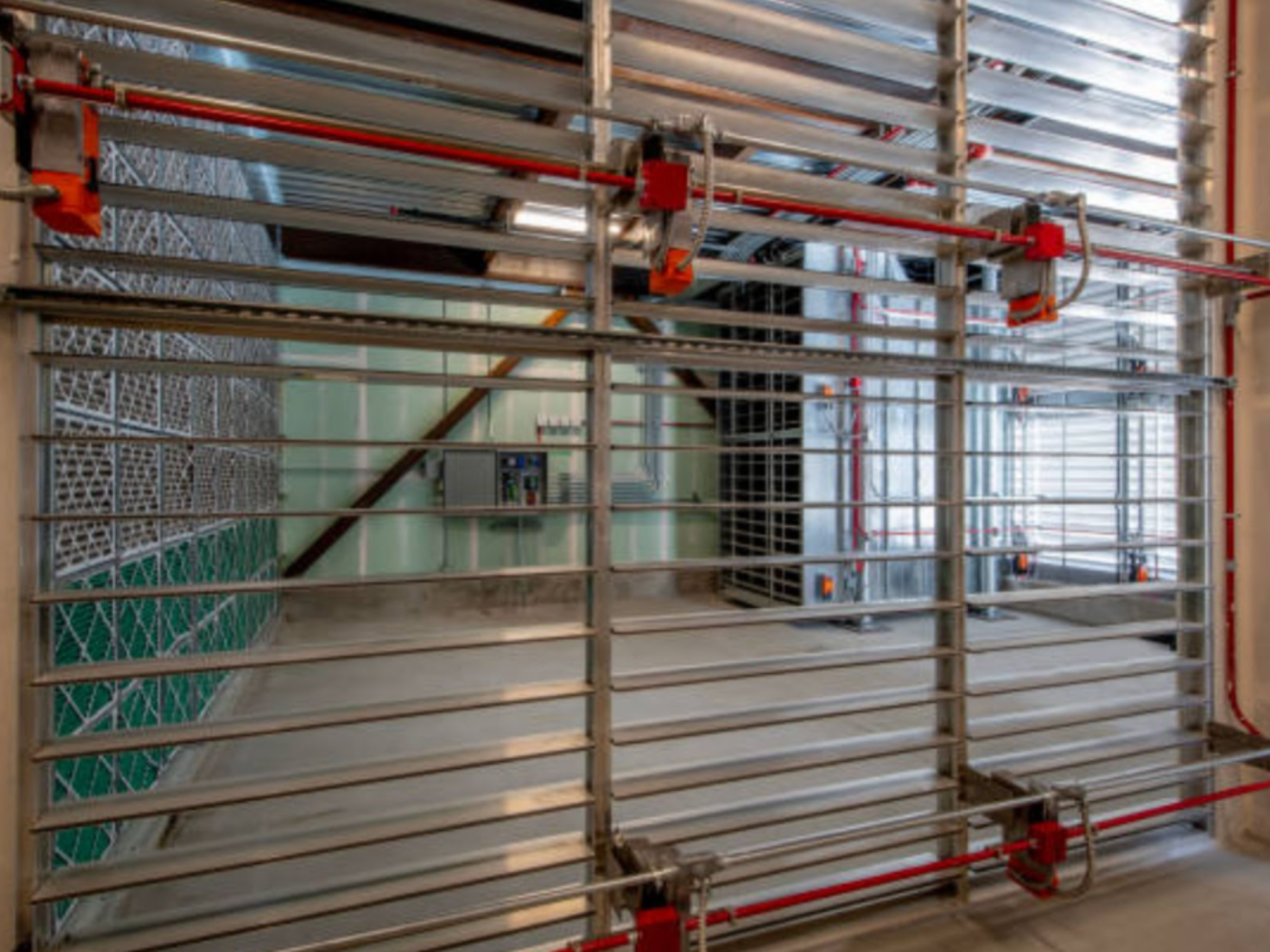
In systems where airflow varies by occupancy or hazard response, actuators play a key role. These accessories convert static louvers into active, controllable assemblies.
Manual, Electric, or Pneumatic Control
Manual operators are suited for fixed positions or low-use areas. Electric actuators offer integration with building controls and monitoring systems. Pneumatic units work well in industrial applications with compressed air infrastructure. Each actuator must be matched to blade count, required torque, and stroke frequency.
Mounting Access and Service Clearances
Control devices must remain accessible for servicing, with brackets that resist vibration, sealed housings for moisture, and clearances for actuator stroke paths. In some cases, louver placement must be adjusted slightly to allow for actuator arm movement or connection clearance.
Blank-Off Panels and Filters for Airflow Segmentation
Blank-off panels are solid inserts that maintain the visual geometry of active blades while sealing inactive zones from airflow. They visually match the surrounding geometry but seal off zones not intended for ventilation. These louver accessories are often used in phased installations, compartmentalized air systems, or where design continuity is required despite inactive sections.
Filter Frames at the Louver Face
Some louvers are equipped to hold disposable or washable filters. Filter brackets must align with louver blade spacing and allow tool-free removal from the face without detaching the entire assembly. Filter type, pressure drop, and replacement frequency should all be defined during design.
Finish Systems That Extend Product Lifespan
Factory-applied finishes serve as a protective layer that determines service life under environmental exposure. These coatings are typically applied in controlled environments using automated systems that ensure uniform coverage, proper curing, and strong adhesion to aluminum surfaces. The process reduces inconsistencies that often occur with field-applied finishes and allows for tighter control over thickness, color match, and long-term durability.
Anodizing for Corrosion Control
Anodized finishes form a bonded oxide layer that resists corrosion from salt, moisture, or chemical exposure. They are commonly specified for coastal, industrial, or water treatment environments. Because anodizing changes metal appearance subtly, it must be coordinated across assemblies for consistent visual results.
Finish System Process Detail
Some finish systems go beyond standard powder or anodizing by using multistage preparation.
- These may include phosphate washes, chemical sealants, or environmentally sealed vacuum deposition methods.
- Advanced coatings like electrostatic spray-assisted vapor deposition (ESAVD) create a tightly bonded layer that resists peeling and abrasion in extreme environments.
- Louvers installed in high-salinity or industrial zones benefit from these multi-process finishes, which extend functional life and reduce recoating cycles.
Jobsite Realities That Influence Accessory Selection
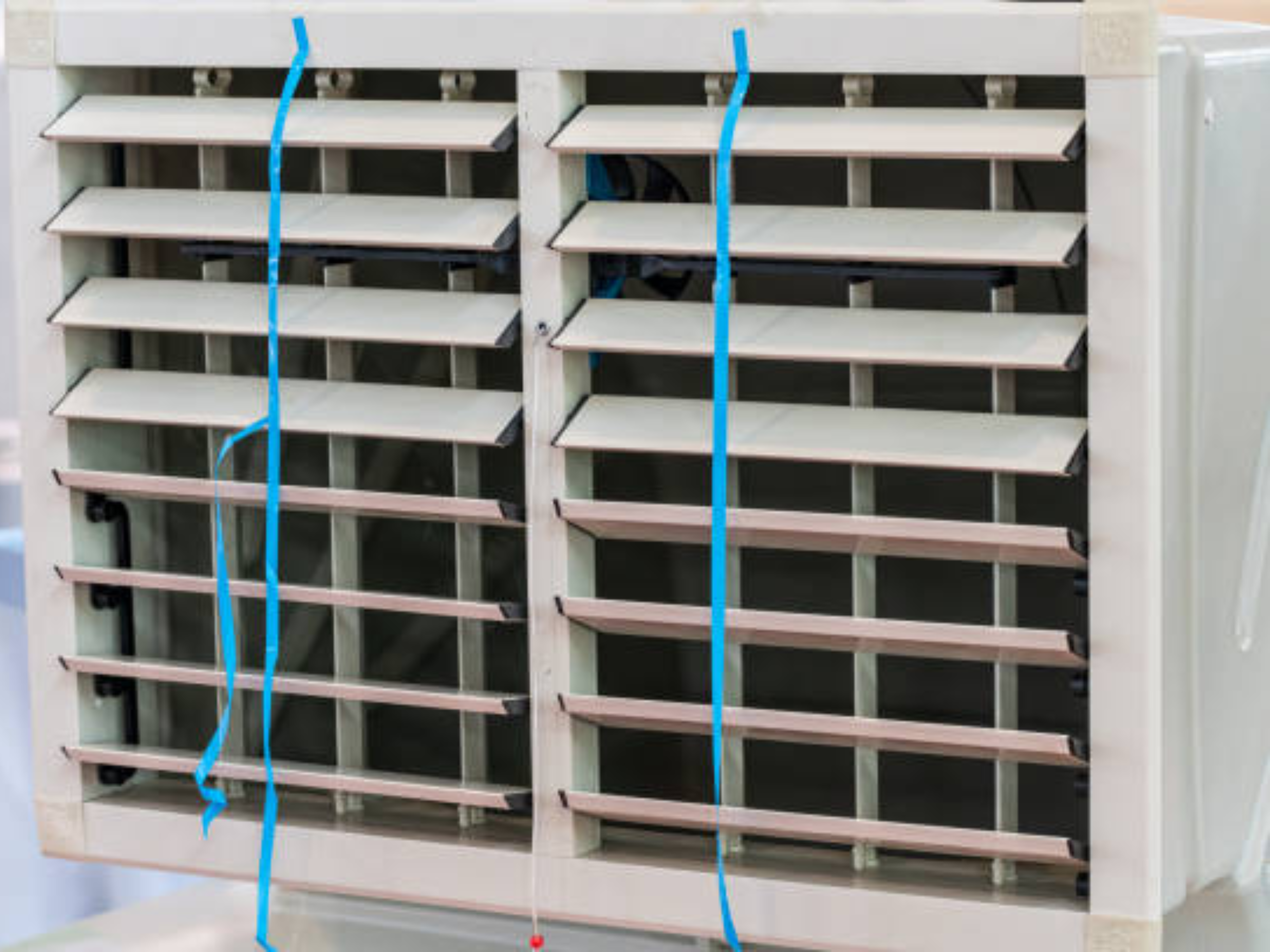
Site-specific louver accessories like subframes or flange systems are often dictated by what the building presents—not what the drawings suggest.
- Uneven walls, nonstandard penetrations, and sequencing with other trades all affect accessory needs.
- A recessed opening may require deeper flanges. A high-wind area may call for reinforced screens.
- Cold climates demand drainage solutions that resist freeze-back. Understanding these needs early helps avoid retrofit add-ons or performance loss.
Some projects require louvers shaped to match architectural contours. That includes circular, arched, and oval units that preserve aesthetic continuity without compromising airflow or pressure resistance. Accessory components must be matched to these geometries—especially blank-off panels and flange frames—so performance and water management remain consistent across curved or irregular profiles.
Get Custom Louver Accessories from Air Performance That Fit, Protect, and Perform
We build every accessory to integrate with your louver design, not work around it. From screens to subframes, our components help you meet airflow, drainage, and envelope continuity goals. Contact us today for more information.