Perf Metal Panels: Versatile Solutions for Modern Design
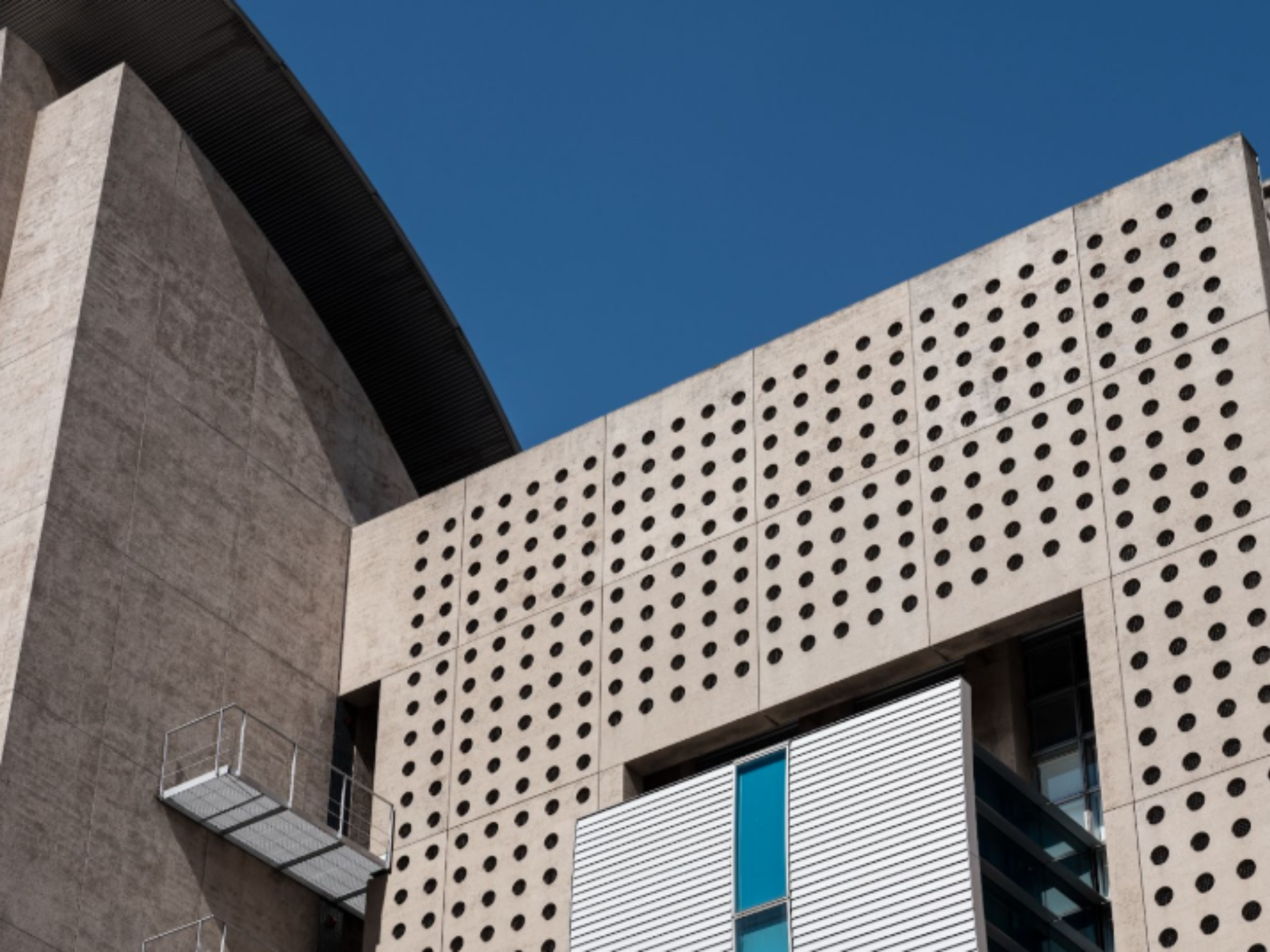
Modern building envelopes carry a lot of responsibility. They have to control sunlight, manage views, move air, and still present a clear architectural idea. Perforated metal panels, often called perf metal panels in drawings and specs, give designers a way to balance all of those demands across a single coordinated surface.
What Perf Metal Panels Are In Modern Architecture
Perforated metal shows up wherever a façade needs to filter rather than block. Architects use perforated screens in front of glass, open parking levels, and mechanical intakes when they want daylight, airflow, and partial views instead of a solid wall. For glazing and curtainwall teams, the same system is a set of engineered modules that must connect cleanly to framing, carry wind loads, and align with louvers, sunshades, and structural grids.
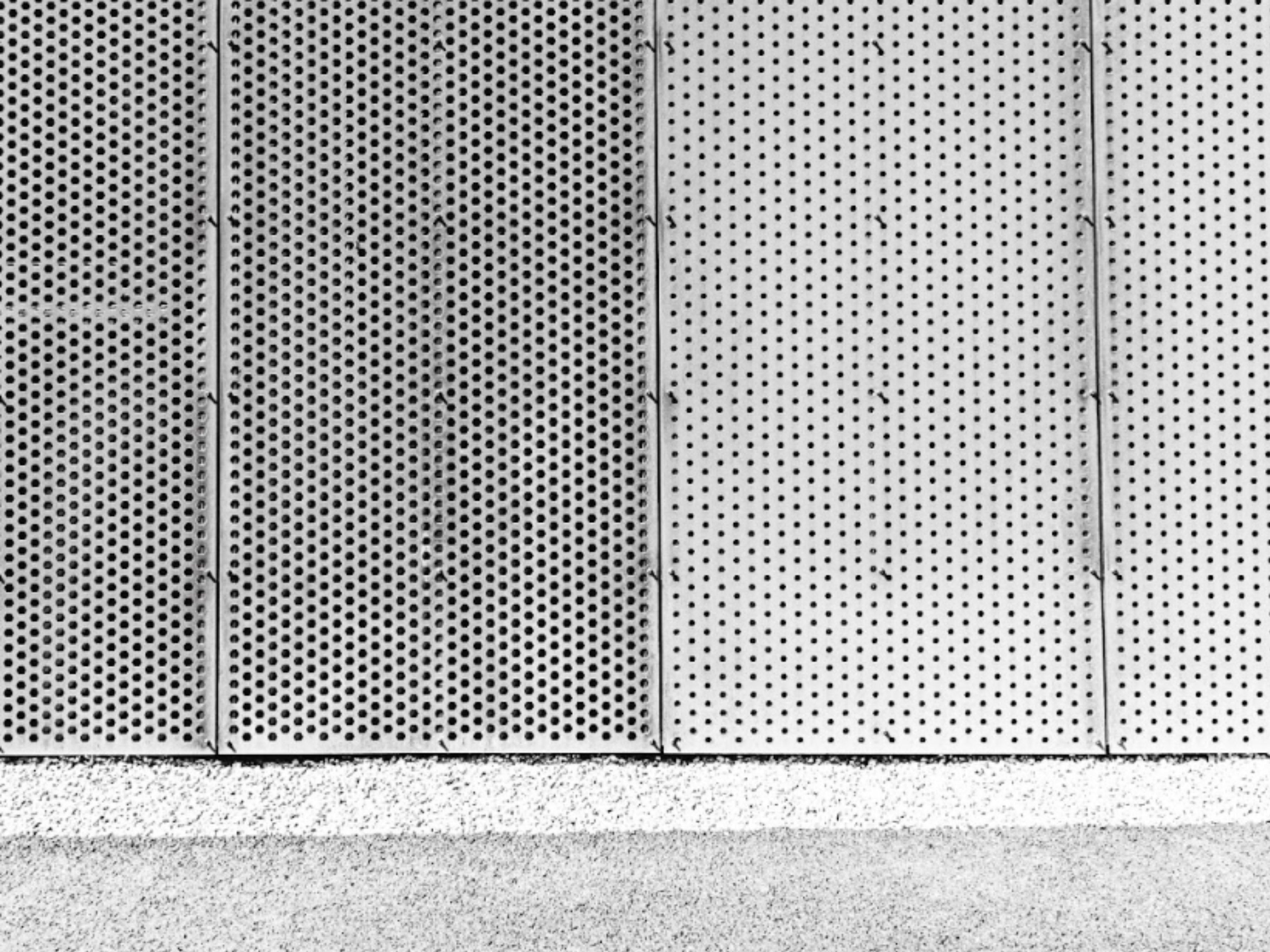
- A typical panel starts as sheet aluminum or steel that is punched or laser-cut with a repeating pattern.
- Holes may be round, slotted, square, or arranged in custom graphic layouts that support wayfinding or branding.
- The sheet can remain flat or be formed into shallow pans or stiffened profiles that resist bending and pick up attachment points.
When architects specify perf metal panels, they are usually calling for these fabricated, finished pieces sized to a precise module and support layout instead of generic perforated stock.
Design Variables: Materials, Patterns, And Open Area
Base metal selection sets the foundation for long-term behavior.
- Aluminum dominates architectural work because it is light, corrosion-resistant, and easy to finish.
- Carbon steel can be used where stiffness and impact resistance matter more than weight, especially when structure already exists to carry loads.
- Stainless steel is often reserved for demanding coastal or industrial sites, or for projects where the metal is expected to stay visually stable for decades.
Perforation pattern and open area control both appearance and performance.
- Tight patterns with small holes can look almost solid from a distance, then open visually as people move closer.
- Larger shapes or wider spacing create a lighter, more transparent field that brings in more daylight and air.
- Designers tune open area, the ratio of holes to solid metal, to achieve the right mix of privacy, visibility, and airflow.
This ability to control both the look and the function makes these panels one of the most adaptable façade components in contemporary architecture.
Exterior Applications For Perf Metal Panels
On the exterior, perforated metal systems shape how the façade manages light, views, and ventilation while protecting the assemblies behind them.
Solar Control And Second-Skin Facades
As a second skin in front of glazing or structure, perforated screens can soften direct sun, cut glare, and add depth while still allowing access for cleaning and maintenance. On south elevations, horizontal screens behave like continuous sunshades. On east and west faces, vertical screens manage low-angle morning and afternoon light, when glare and overheating are hardest to control. Well-placed perf metal panels can shift interior light levels and occupant comfort without changing glass types or interior shading.
Screening For Equipment And Parking
Perforated screens also help solve equipment and parking visibility challenges. Mechanical yards and rooftop units often need to be concealed from street and neighboring views, but they cannot be boxed in with solid walls. Parking decks need openings for natural ventilation but benefit from a finished, composed elevation. By choosing an open area that supports airflow while obscuring the view of equipment or vehicles, design teams can bring these utilitarian zones into the same visual language as adjacent louvers and curtainwall.
Durability And Finish For Exterior Panels
Durability and finish matter just as much as pattern. Exterior panels live through UV exposure, rain, temperature swings, and windborne debris. Coating systems must resist fading and corrosion while matching other metals on the project. Controlled finishing and paint matching help keep mullions, louvers, sunshades, and perf fields in the same color family so the envelope reads as a single, intentional composition instead of a collection of unrelated parts.
Interior Applications And Acoustic Performance
Inside a building, perforated metal plays different roles with the same set of variables.
- Ceilings that combine perforated metal with acoustic backing can absorb sound in busy lobbies, corridors, and atriums while maintaining a smooth, durable surface.
- Panels can be removable for access to building systems, yet still maintain a clean visual grid.
- Guardrails and stair enclosures often use perforated infill where codes limit opening sizes but the design still calls for visual connection between levels.
- These panels must handle everyday impacts from carts, luggage, or crowds while keeping edges and joints comfortable to the touch.
- On interior walls, perforated metal can conceal mechanical chases or rough substrates, integrate access doors, and provide a consistent, easily cleaned finish.
In all of these cases, pattern scale, backing, and finish determine how the surface sounds, feels, and ages in real use.
Design, Specification, And Coordination
Design, performance, and constructability decisions all converge when teams begin detailing perforated systems.
Visual And Functional Variables
When design teams work through a perforated concept, they balance several variables at once. Viewing distance influences whether the pattern should be fine and dense or larger and more graphic. Program and privacy goals shape how transparent the panel can be from inside and outside. Structural grids, floor lines, and mullion spacing all affect where panel joints fall and where supports can land so attachments feel deliberate rather than arbitrary.
Lifecycle And Environmental Performance
These decisions also intersect with long-term performance and environmental goals. Metals offer long service life and can be recycled at the end of their use, which appeals to owners watching lifecycle impacts.
- Shading and glare control can reduce strain on mechanical systems by cutting direct solar gain at the glass.
- At the same time, details such as drainage paths, drip edges, and corrosion-resistant fasteners help panels shed water, resist staining, and avoid premature replacement.
Thoughtful specification turns perf metal panels into durable, low-maintenance components rather than surfaces that require frequent refinishing.
Field Coordination And Installation
For installers, clear coordination makes the job run smoothly. Panel size and weight dictate whether they can be handled by two people or need equipment. Repetitive, well-documented attachment details reduce field improvisation and help crews maintain alignment across large elevations. When louvers, sunshades, and perforated screens share framing or supports, early coordination between suppliers limits conflicts at anchors, corners, and transitions.
Visual Consistency And Architectural Value
On many projects, the real value of perforated metal lies in how it ties multiple systems together.
- A single color and finish may carry from curtainwall mullions to louvers, to edge flashings, to perforated fields in front of glass.
- Careful control of coating and sheen keeps those pieces aligned so they read as one family in daylight and under night lighting.
As façades increasingly respond to climate, context, and brand, perf metal panels give design teams a flexible way to modulate light, air, and views while keeping the envelope visually coherent from every approach.
Coordinate Perforated Facades With Air Performance
Air Performance manufactures aluminum architectural products for curtainwall and glazing projects, including louvers, sunshades, screens, PTAC louvers, trellises, Bahama shutters, shadow boxes, coping, and panels. We apply the same coordinated exterior metal expertise to perforated façades, aligning panel modules, attachments, and finishes with adjacent systems. Contact us today for more information.