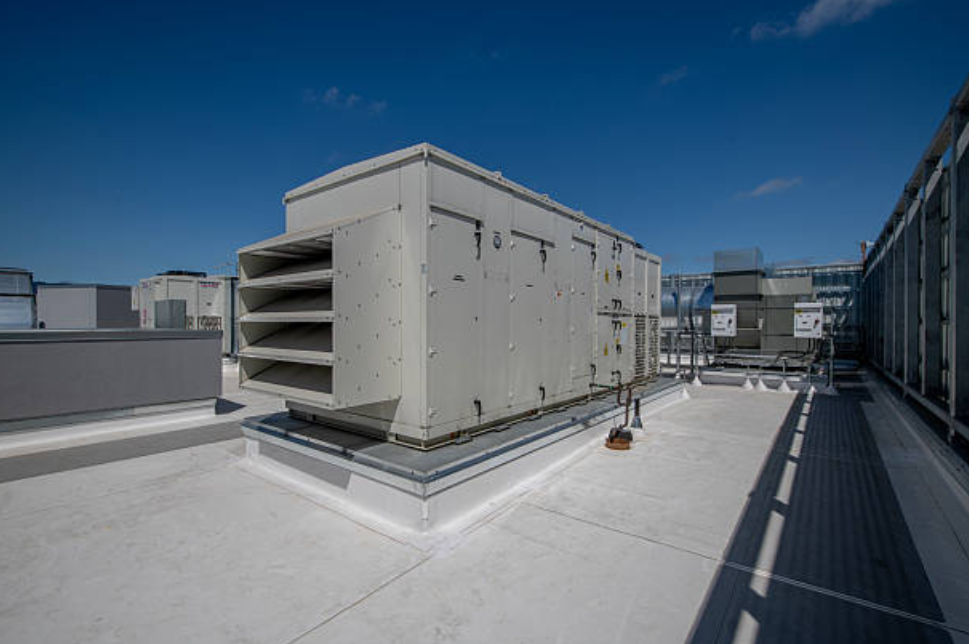
Rooftop Equipment Screens & Enclosures: Purpose, Performance, And Selection Guidance
Rooftop mechanical equipment faces constant exposure. Wind, weather, and visibility requirements continue to shape how rooftop systems are perceived and regulated long after installation. A properly designed roof screen responds to those pressures by concealing equipment in plain view while supporting code or zoning requirements, without compromising rooftop access or long-term maintenance.
What A Roof Screen Does For Rooftop Mechanical Equipment
Rooftop mechanical systems are rarely intended to remain fully exposed once a building is occupied. As buildings enter public view, equipment becomes subject to aesthetic standards, zoning visibility limits, and environmental conditions that exceed basic functional requirements.
A roof screen establishes a controlled boundary around rooftop equipment. It limits direct sightlines from grade, moderates wind-driven exposure, and defines a service zone without enclosing the equipment itself. Unlike parapets or rooftop structures, equipment screening systems must balance concealment, airflow, and access as part of the roof assembly.
That balance shows up quickly once equipment is online.
Why Rooftop Equipment Requires Screening
Rooftop screening addresses practical risks that emerge after installation, once systems operate under real exposure and public scrutiny.
Visibility And Zoning Compliance
Many jurisdictions restrict the visibility of rooftop mechanical equipment from public rights-of-way. These requirements often apply regardless of building height and are frequently triggered during equipment replacement or retrofit work.
Screening meets those requirements without raising parapet heights or altering primary structure. By controlling sightlines at the roof perimeter, a roof screen supports compliance while preserving the building’s original massing.
Environmental Exposure And Equipment Protection
Rooftop equipment operates in the most exposed zone of the building envelope. Wind pressure, UV radiation, precipitation, and airborne debris all concentrate at roof level.
Screen systems limit localized turbulence, reduce direct impact from debris, and stabilize operating conditions around sensitive components. Over time, that reduction matters. While screens do not weatherproof equipment, they help slow the cumulative exposure that accelerates wear and service issues.
Operational Organization And Safety
Unscreened rooftops often become visually cluttered and difficult to navigate. Screening defines equipment zones, clarifies service boundaries, and reduces accidental access.
Clear separation supports safer maintenance workflows and preserves required clearances once multiple trades begin sharing rooftop space.
Roof Screens Vs Mechanical Screen Walls Vs Enclosures
Screening solutions vary in form and function, and those differences influence how systems perform once installed.
Roof Screens
A roof screen mounts above the roof surface and blocks views while allowing airflow. These systems prioritize concealment and exposure management without enclosing equipment volumes.
They are commonly used for packaged rooftop units, condensers, and retrofit projects where structural capacity is limited.
Mechanical Screen Walls
Mechanical screen walls extend vertically from roof structure or parapets and often align with façade materials. They provide stronger visual continuity, yet they demand tighter coordination with structure, waterproofing, and penetrations.
Full Enclosures
Enclosures fully surround equipment and may include roofing, doors, or controlled ventilation. They are typically reserved for noise control, security, or extreme environments and introduce added airflow and heat-rejection considerations.
Performance Factors That Shape Rooftop Screen Design
Screening systems succeed or fail based on how they respond to rooftop exposure.
Wind Exposure And Structural Loading
Wind pressure increases with building height and roof-edge proximity, which directly influences how a roof screen must be engineered and attached. Panel spacing, blade orientation, attachment strategy, and screen height all affect load behavior.
In high-exposure zones, engineering analysis becomes essential. That’s where poorly detailed screens start to move, vibrate, or fail.
Weather Resistance And Durability
Rooftop environments accelerate material degradation. Screen systems must tolerate prolonged UV exposure, temperature swings, moisture, and airborne contaminants.
Material selection, finish durability, and fastener compatibility determine whether a screen holds its integrity over decades or begins to degrade within a few service cycles.
Roof Attachment And Penetration Strategy
Attachment methods affect roof warranties and long-term performance. Non-penetrating or minimally penetrating systems reduce membrane risk and simplify coordination with roofing trades.
Attachment strategy should follow load paths and roof conditions, not generic details reused from lower-exposure applications.
Design And Material Options For Rooftop Screens
Screen configuration plays a direct role in how a mechanical screen performs under exposure while shaping its visual impact.
Louvered Panels
Louvered panels allow airflow while blocking sightlines. Blade depth, angle, and spacing determine visual density and wind permeability, which makes these systems well-suited for heat-rejection equipment.
Solid Or Perforated Panels
Solid and perforated panels increase visual opacity. Perforation patterns introduce controlled airflow while maintaining concealment, provided wind loading and debris accumulation are addressed early in design.
Finish And Integration Considerations
Finishes influence durability as much as appearance. Color stability, coating thickness, and environmental compatibility affect how well screens integrate with adjacent rooftop and façade elements over time.
Selecting The Right Rooftop Screen For Your Project
Effective screening starts with project-specific constraints rather than default configurations.
Equipment Size And Layout
Screen height and footprint must accommodate service clearances and airflow requirements. Oversized screens increase wind load, while undersized systems risk visibility noncompliance.
Roof Conditions And Access Paths
Roof slope, membrane type, drainage, and access routes influence placement and attachment. Screens should preserve service paths and avoid interfering with drains, walk pads, or fall-protection systems.
Project Goals And Lifecycle Expectations
Some projects prioritize minimal visibility; others emphasize architectural alignment or long-term durability. A mechanical equipment screen intended for decades of service demands different materials and detailing than one designed for short-term concealment.
Specify Air Performance Equipment Screens For Rooftop Applications
Air Performance designs and manufactures equipment screening systems that address rooftop exposure, structural demands, and long-term performance expectations. Each system balances concealment, airflow, and durability while integrating cleanly with roof assemblies and building architecture. Contact us today for more information.