Metal Shadowbox: Enhancing Exterior Design
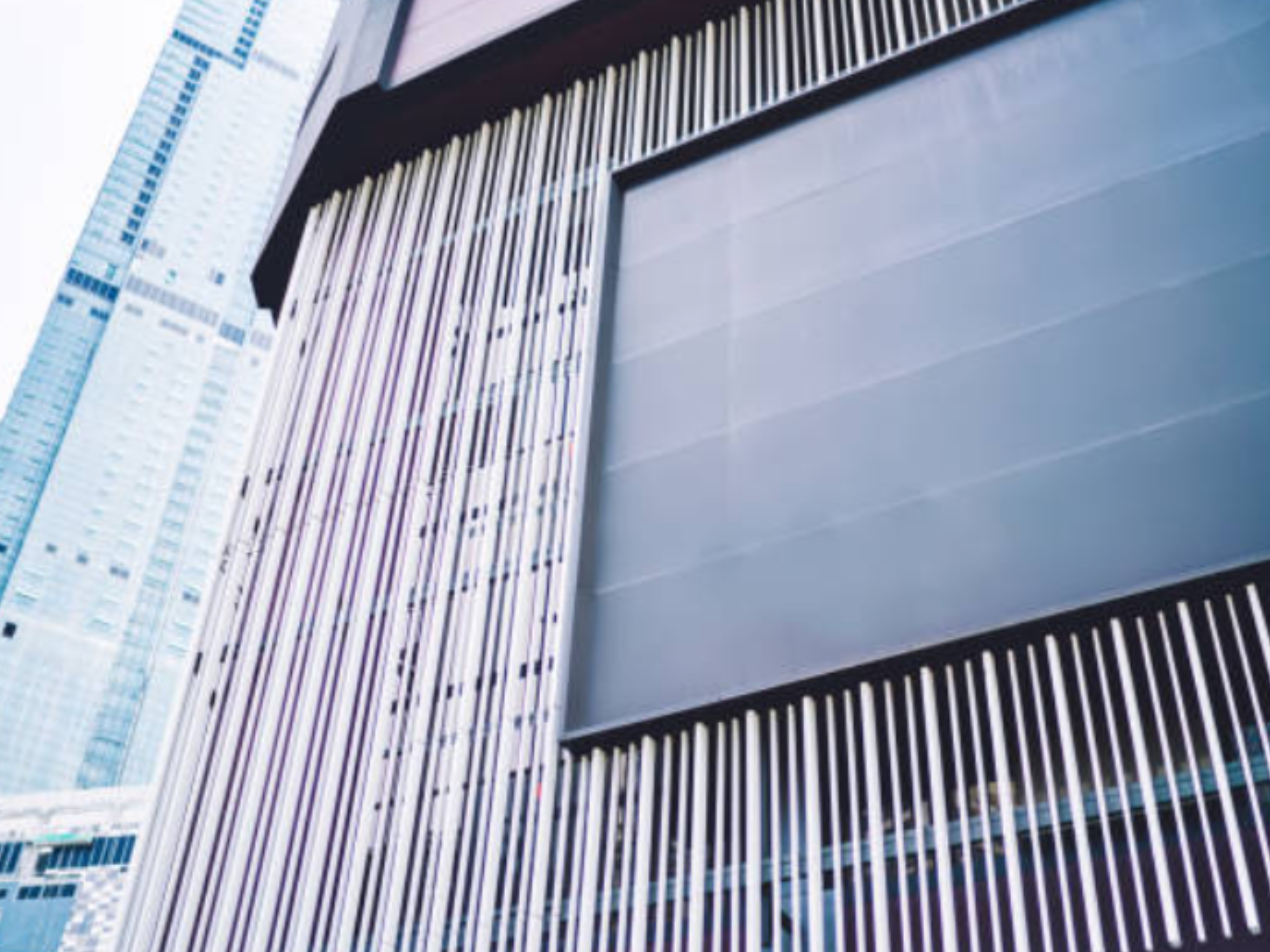
Modern exterior design rarely relies on flat, single-layer surfaces. A metal shadowbox introduces depth, layered light, and controlled visibility into facades, screens, and enclosures. By separating an outer plane from a finished metal backing, these assemblies shape how buildings manage views, daylight, and ventilation while maintaining a disciplined, architectural exterior.
What Shadowbox Systems Are In Exterior Design
In exterior architecture, a metal shadowbox refers to an assembly where an opaque metal surface is positioned behind a primary plane, often glass or an open metal screen, to create layered visual depth.
- In glazed curtainwall conditions, the system places a finished metal panel behind the glass line, backed by insulation and support framing.
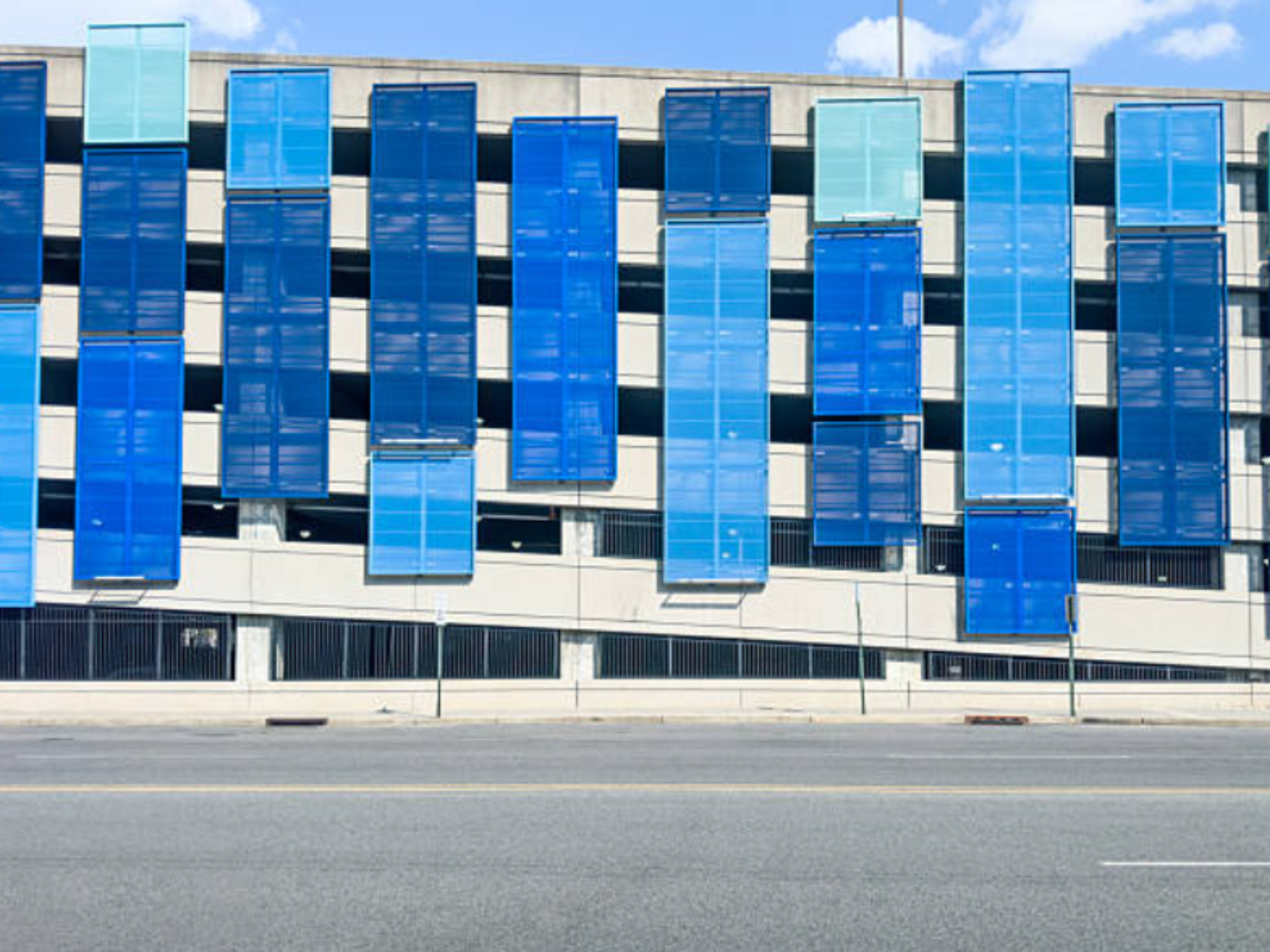
- In open-air conditions such as parking structures, stair towers, and rooftop screens, the same concept appears through staggered metal layers that establish depth without enclosing the cavity.
The assembly centers on a controlled cavity that does the work. Light enters the gap, reflects across multiple surfaces, and produces shifting highlights and shadow as sun angle changes.
How Shadowbox Systems Add Depth, Privacy, And Airflow
The cavity becomes the working element that shapes light, sightlines, and air movement across the facade.
Depth In Shadowbox Systems
Depth becomes the visual driver of the assembly. Shallow cavities read darker and more uniform, while deeper cavities amplify contrast and create stronger layering. That offset also changes how reflections move across the outer surface as a viewer passes the building.
Privacy Control In Shadowbox Assemblies
Privacy follows directly from that control of light and shadow. When perforated metal pairs with a backing panel set behind it, the two layers limit direct sightlines while allowing filtered visibility. At shallow viewing angles the backing panel dominates, while at oblique angles perforations remain legible.
Airflow Management In Shadowbox Assemblies
Airflow becomes another variable when the system remains open to the exterior. Perforation pattern and cavity spacing influence both visual screening and ventilation potential. Higher open-area percentages permit greater air movement across parking garages and mechanical spaces, while staggered backing layers maintain visual depth.
Shadowbox Behavior In Curtainwall Spandrel Zones
When a shadowbox assembly moves behind glass, visual depth remains important, but thermal behavior, moisture control, and material stability take priority in long-term performance.
Thermal And Moisture Conditions Behind Glass
Those same principles apply when a metal shadowbox sits behind glass in a curtainwall spandrel zone, though airflow is typically replaced by insulation and moisture control. The metal panel serves as both visual backer and protective face for the insulated zone. Daily temperature cycling makes panel material, finish, and attachment critical to long-term appearance.
Material Selection For Spandrel Shadowbox Panels
Material selection governs how the assembly weathers under enclosed but thermally active conditions. Aluminum remains common because it balances weight, corrosion resistance, and fabrication flexibility. Steel enters where abuse resistance or structural capacity governs, while stainless steel appears in coastal or industrial environments with aggressive exposure.
Finish Performance Under Enclosed Exposure
Finish choice then determines how those surfaces hold color, reflectivity, and coating integrity inside the sealed cavity. Dark matte finishes deepen shadow lines, while lighter or metallic finishes scatter light and brighten the cavity. Coating systems determine UV stability, fade resistance, and corrosion protection under filtered solar exposure.
Perforation And Backing Interaction Behind Glazing
Perforation patterns introduce visual control in spandrel conditions. Tight perforations read nearly solid at distance while still permitting filtered light at proximity. Larger or custom patterns establish stronger visual rhythm across the facade.
Depth Control Through Backing Contrast
The relationship between perforation and backing creates the depth-driven behavior that defines the system behind glass. High contrast emphasizes layered separation, while closer tonal values allow the assembly to integrate quietly into the facade.
Where Shadowbox Assemblies Work Best
Shadowbox systems perform best in exterior zones where partial visibility, ventilation, and visual continuity must operate together.
Parking Structure Applications
Parking structures remain the most common example, where exterior cladding must meet zoning or architectural guidelines while preserving airflow for vehicle exhaust. Depth and perforation disguise the scale of parked vehicles without sealing off ventilation.
Stair Towers And Vertical Circulation
Stair towers apply the same principles to bring daylight into circulation while masking direct interior views. The layered screen condition maintains privacy for occupants while preserving exterior rhythm.
Rooftop Mechanical Enclosures
Rooftop mechanical enclosures rely on shadowbox screens to ventilate equipment while keeping fans, ductwork, and piping out of sight from ground-level vantage points. Perforation density and cavity spacing are tuned to balance airflow with visual screening.
Ground-Level Service And Utility Zones
At the ground plane, layered assemblies serve trash enclosures and service yards where ventilation and visual separation must coexist without the mass of solid walls. These zones benefit from impact-resistant panels that maintain enclosure definition without becoming visually heavy.
Custom Engineering For Shadowbox Systems
Once shadowbox use conditions are defined, engineering governs how well the system holds alignment, resists environmental loads, and maintains visual discipline over time.
Panel Sizing And Structural Coordination
Engineering determines whether the shadowbox reads as refined architecture or a visually inconsistent patch. Panel sizes respond to wind loading, support spacing, and transportation limits. Perforation patterns coordinate with structural backing so open area does not compromise strength.
Attachment, Drainage, And Long-Term Stability
Attachment systems accommodate thermal movement while maintaining alignment across the exterior plane. Drainage paths inside the cavity, protection of cut edges, and corrosion-resistant fasteners all influence how the system ages.
Custom Fabrication And Project-Specific Design
Air Performance approaches metal shadowbox assemblies as engineered systems rather than decorative accessories. Custom fabrication allows panel geometry, perforation, framing depth, and attachment to scale with actual opening sizes, structural substrates, and exposure conditions.
System Integration With Adjacent Assemblies
Coordination becomes especially important when shadowbox assemblies interface with curtainwall framing, guardrail systems, and adjacent louvers or screens. Proper alignment reduces site modification and protects visual intent.
Visual Performance Across A Full Daylight Cycle
The visual performance of the shadowbox assembly changes continuously throughout the day. Morning and evening light stretch shadows across layered surfaces, while midday sun flattens contrast and emphasizes reflectivity.
This continuous shift gives the facade movement even when materials remain unchanged. Layered zones also help large building masses read as composed rather than monolithic.
Long-Term Performance And Durability
Long-term performance depends on how well the shadowbox system is fabricated, installed, and detailed to manage movement, moisture, and access without degrading the visual plane over time.
Tolerance stacking across layered parts requires precise fabrication so panel alignment holds across long runs, while attachment access must be planned so fasteners do not interrupt the visual field. Drainage paths, edge protection, and corrosion-resistant fasteners further influence how the system ages once exposed to daily weather cycles.
How Shadowbox Systems Shape Architectural Expression
Layered screen systems influence how buildings manage depth, visibility, and enclosure without relying on solid walls.
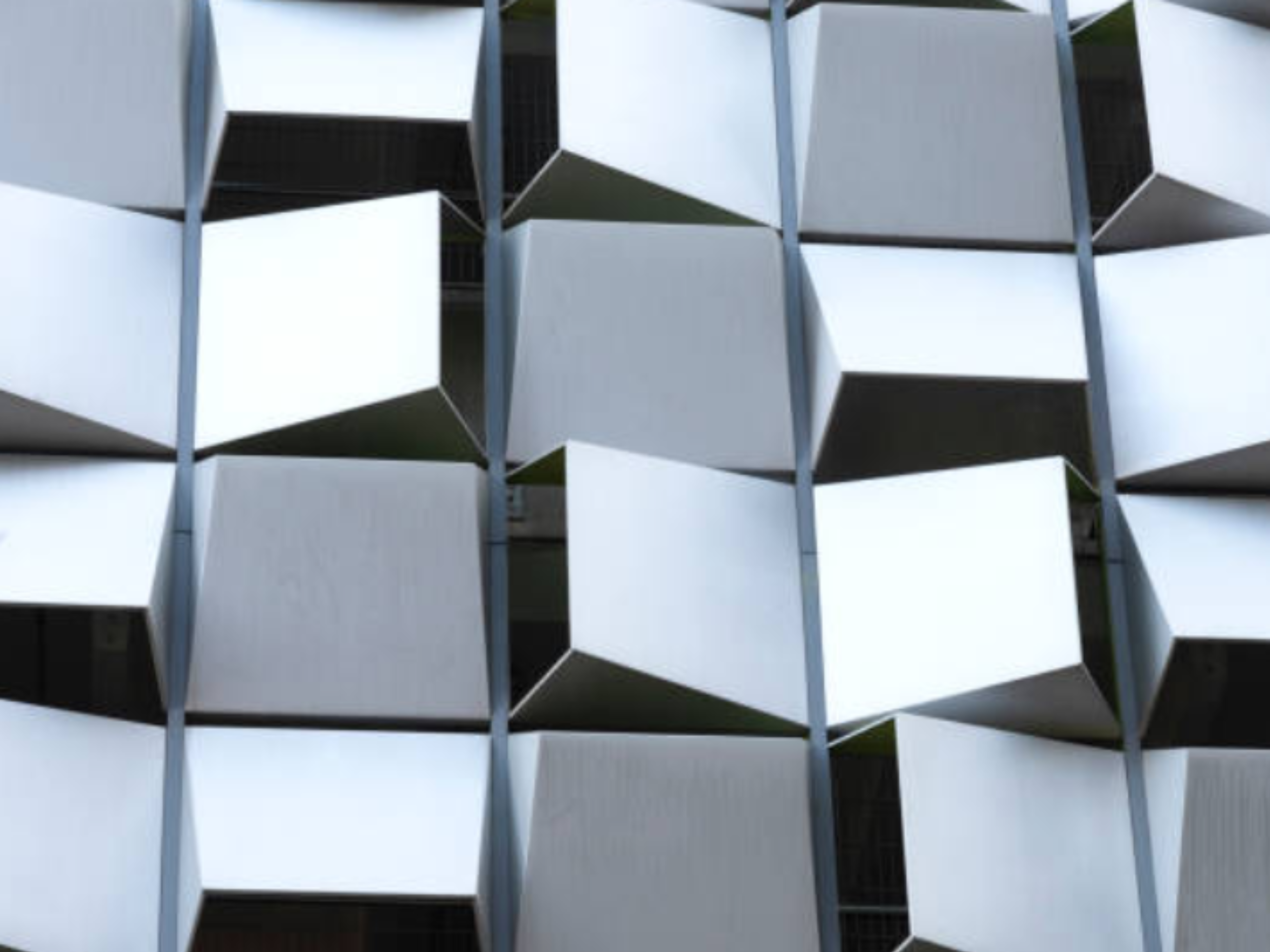
- Layering establishes depth across the facade, while perforation pattern and backing contrast determine how visibility is controlled.
- Material and finish then govern how long those visual cues remain stable under sun, rain, and temperature cycling.
As exterior envelopes evolve toward cleaner, more disciplined compositions, the metal shadowbox allows complexity to stay tightly controlled instead of becoming visual clutter. When used deliberately, the system shifts utilitarian zones into composed exterior features, where form and function resolve within the same layered assembly.
Work With Air Performance On Engineered Metal Facades
Air Performance engineers and fabricates custom architectural metal systems for demanding exterior environments. Each project is supported through coordinated design, fabrication, and attachment strategy development. Contact us today to review screening, panel, and enclosure requirements for your next façade or exterior system.