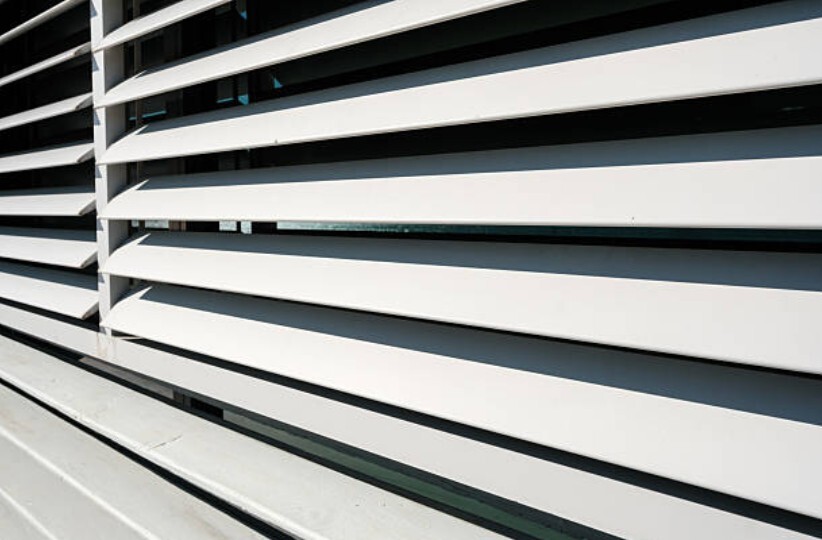
Miami-Dade County Approved Louvers: What Approval Means for High-Wind Projects
Exterior ventilation openings are often treated as secondary enclosure components, yet in hurricane-prone regions they face some of the most severe forces a building will encounter. High wind pressures, wind-borne debris, and wind-driven rain converge at wall penetrations, turning louvers into potential failure points when performance is assumed rather than verified. Miami-Dade louvers exist within that reality. Their approval status reflects documented evaluation instead of visual similarity or marketing claims.
What Miami-Dade County Approval Means for Louvers
Miami-Dade County approval is not a generic label or regional preference. It represents a formal product acceptance process administered through the county’s Product Control system, which evaluates components intended for extreme wind exposure. Louvers that carry this approval have been tested and reviewed under defined protocols, with results documented through a Notice of Acceptance. That notice ties a specific configuration to performance limits, installation conditions, and approved applications. Without it, hurricane suitability cannot be confirmed.
Why High-Velocity Hurricane Zones Demand Approved Louvers
This level of scrutiny becomes clearer when exterior ventilation is evaluated as part of the wall assembly rather than as an accessory. Louvers interrupt enclosure continuity, creating openings that must still manage air movement, resist pressure, and limit water intrusion during severe weather. In coastal regions and High Velocity Hurricane Zones, wind events impose pressures well beyond those seen in typical construction. Airborne debris compounds that stress. Miami-Dade louvers are developed and approved with those combined exposures in mind.
How Hurricane Conditions Stress Ventilation Openings
Hurricane conditions introduce multiple failure modes that act simultaneously. Sustained wind pressure loads stress blades, frames, and anchorage. Wind-borne debris introduces impact forces capable of deforming blades or compromising structural integrity in a single event. Wind-driven rain forces water horizontally and upward, challenging blade profiles and drainage paths designed for calmer conditions. Each mechanism behaves differently. Together, they determine whether a ventilation opening continues to function when it matters.
How Testing and Approval Address These Risks
Testing and approval frameworks manage that complexity by evaluating performance attributes independently. These evaluations typically include impact testing for wind-borne debris, wind-driven rain testing under simulated storm conditions, and structural pressure testing tied to High Velocity Hurricane Zone requirements. Impact resistance testing assesses response to debris propelled at high velocity.
Wind-driven rain testing measures water penetration under simulated storm exposure while airflow is maintained, while structural evaluations confirm resistance to sustained pressure without permanent deformation. Miami-Dade louvers that carry county approval demonstrate compliance across applicable criteria instead of relying on a single performance metric.
Balancing Airflow with Storm Protection Requirements
Airflow performance remains important even in high-wind regions. Mechanical systems depend on predictable intake and exhaust paths to support indoor air quality and equipment operation. Louvers that restrict airflow excessively in pursuit of protection create operational issues long before a storm occurs. Designs optimized only for airflow can fail under rain or impact exposure. In practice, approved louvers balance these variables by pairing protective geometry with documented air performance data used during system sizing.
Application-Driven Selection Considerations
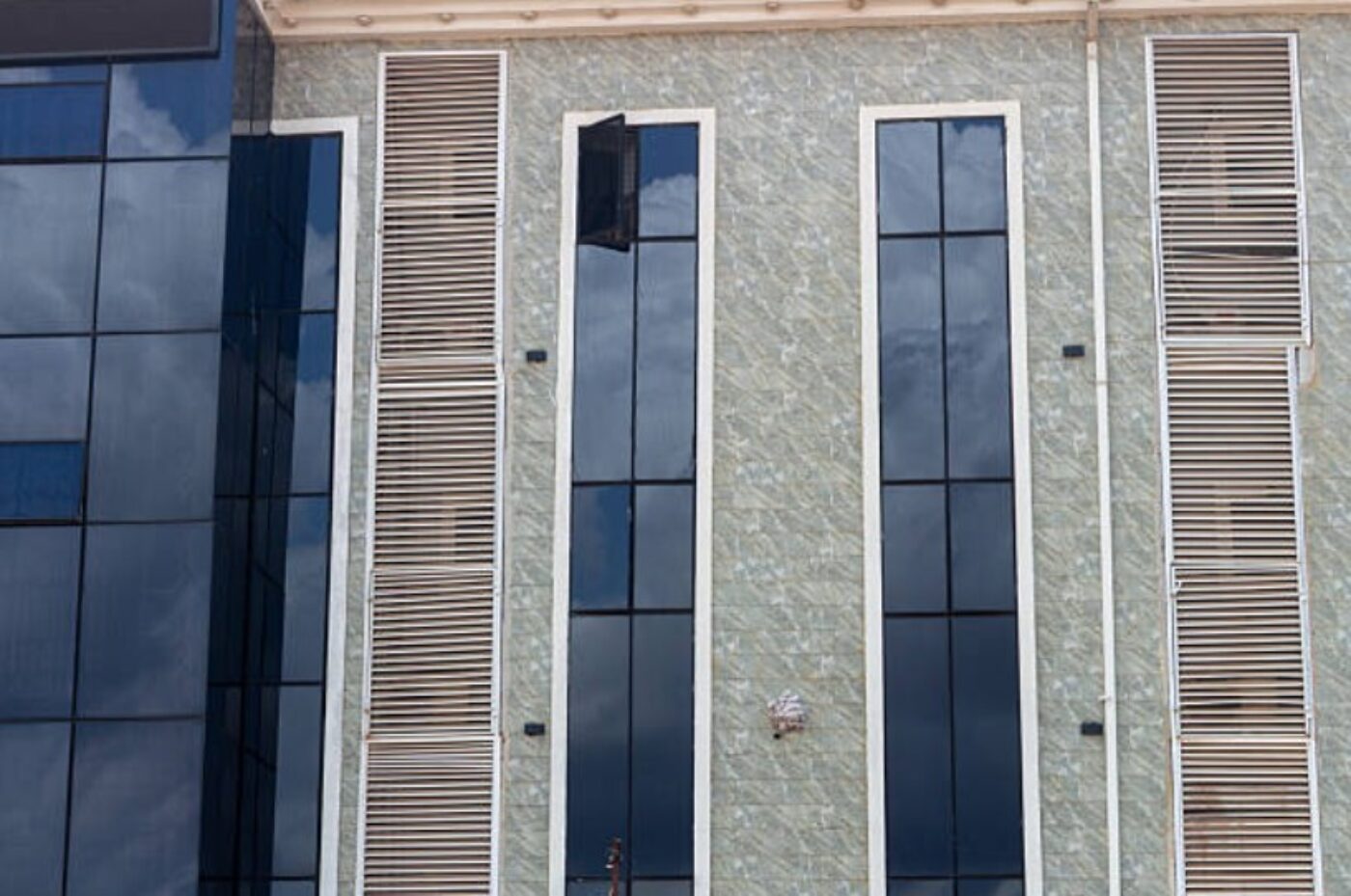
That balance becomes especially important in spaces where ventilation supports building operations. Mechanical intake louvers must continue supplying air as weather conditions deteriorate. Exhaust openings must relieve pressure without allowing water intrusion that damages downstream components. In these applications, approval confirms that performance has been validated under exposure conditions relevant to the project. Miami-Dade louvers are specified because their documented behavior aligns with those risks.
Durability Considerations in Coastal Environments
Durability also affects long-term performance, particularly in coastal environments where salt-laden air accelerates material degradation. While approval focuses on storm resistance, material selection and finishes influence whether those properties persist over time. Components that meet testing requirements at installation but degrade rapidly in service introduce maintenance and reliability concerns. Exposure conditions therefore factor into selection alongside approval documentation.
Submittal and Compliance Checks That Protect Approval
Selecting approved louvers requires more than confirming database inclusion. Project teams must verify that the installed configuration matches the approved assembly, including blade orientation, depth, reinforcement, and anchorage. Approval notices define limits related to size, pressure ratings, and mounting conditions. Deviating from those constraints can invalidate approval. Alignment between design intent, submittals, and installation preserves compliance. There is little margin for interpretation.
Why Approval Simplifies Inspections and Long-Term Management
Approval also streamlines coordination with code officials and inspectors. In jurisdictions referencing Miami-Dade criteria or similar standards, approved louvers establish a clear compliance pathway. Submittals supported by current approval documentation reduce ambiguity during review and inspection, limiting delays and field corrections. That clarity supports both schedule and risk management.
How Miami-Dade Approval Differs from Other Louver Certifications
It is important to distinguish Miami-Dade County approval from other louver certifications. Air performance and water penetration ratings address specific behaviors under defined test conditions, often at lower wind speeds. Those ratings inform system design, yet they do not replace hurricane-specific evaluation. Miami-Dade louvers integrate these considerations into a broader approval framework that reflects combined storm stresses rather than isolated laboratory conditions.
Documentation as a Lifecycle Requirement
Documentation continues to matter after installation. Maintaining records of approved products, installation parameters, and project-specific deviations supports future modifications and facility management. When changes occur, those records clarify whether conditions remain within approved limits or require re-evaluation. Approval status functions as part of the building’s compliance infrastructure.
Predictable Performance Under Severe Weather Exposure
Predictability is the outcome. In regions where severe weather events are both intense and recurring, components must perform consistently under stress. Miami-Dade louvers provide a documented framework for managing that risk by integrating airflow requirements with structural, impact, and water-management performance. Their specification reflects an understanding that ventilation openings demand the same rigor applied to other critical enclosure elements.
Engineered Louver Systems for High-Wind and Coastal Applications
Air Performance works with design and construction teams to align louver selection with approval documentation, airflow requirements, and enclosure performance expectations. Our team supports submittals, specification coordination, and compliance review to reduce risk during permitting and inspection. Contact us today for more information.